

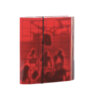
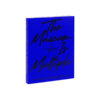
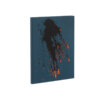
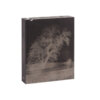

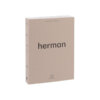
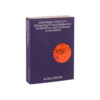
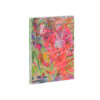
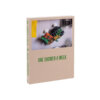
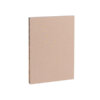
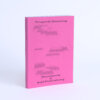
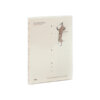
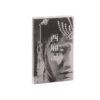
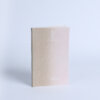
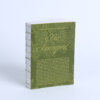
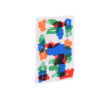
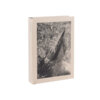
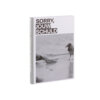
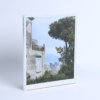
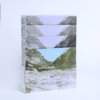
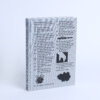

The open-cast mining area is a wound in the ground of North Rhine-Westphalia. That this wound is still growing at a time when sustainability is a goal, gives rise to great consternation. First and foremost among the residents of the surrounding villages, which disappear as a result of the expansion of these lignite mines, but intermittently also among environmental activists seeking to prevent this expansion. In Niemandsland, photographer Daniel Chatard attempts to record the conflict between the interests of local residents, the environment and the economy, using his own photographs and archival documents.
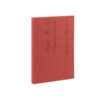
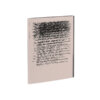
Throughout the book, we return to the brown, fibrous paper used for the cover, on which abstract maps of the mining area year on year show how the gaping holes of the mines are spreading, swallowing up villages and blighting nature. These maps give an impression of the actual, harsh context within which the story presented on the intervening pages plays out. For the earlier years, Chatard uses newspaper cuttings and archive photos to put the story across. From 2017, he joins the activists fighting to save Hambach Forest – and changes the composition of the book. The story is now told through his own photography and hand-written texts from people he meets.
Niemandsland tells the highly relevant story of the price of economic growth, and of the pain that not only this growth, but also resistance to this, can cause. The book deserves recognition for the completeness exuded by the narrative. The newspaper cuttings and archival photos that give insight into the past, alongside Chatard’s photographs and the hand-written testimony from those involved explaining the more recent history, form a convincing whole, strung together by the chronological overview on the brown paper pages.