
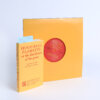













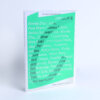











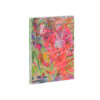



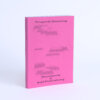
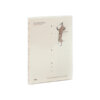


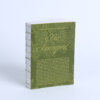

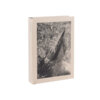

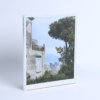

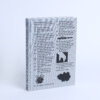

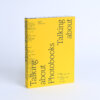

Fear Guards the Lemon Grove conveys precisely the discord its subject matter presents. We leaf through a book that exudes warmth, that deals with farming life in rural Sicily; we perceive earthly beauty. But we sense that something isn’t right. This book also contains violence; the at times sinister photography lends a sour aftertaste to the rich pictorial presentation of lemons. In this book, we are initiated into a recent historical insight: the Sicilian mafia probably underwent explosive growth during the nineteenth century as a consequence of the huge demand for lemons, which gave ships’ crews a certain amount of resistance to scurvy.
Fear Guards the Lemon Grove is one of the many books submitted that make use of sections with narrower pages – not all of the pages reach the fore edge of the book. In this case, these narrower pages principally contain the body text, which corresponds to the photograph on the opposite page of the spread. The narrowing of these pages is modest: they fall just two centimetres short of the book’s fore edge. The value added by these narrower pages is minor, but in this instance it has at least been done well, and does not impair the reading experience.
The cadence of the visual material, from archival material to contemporary photography, is extremely strong: this creates a dynamism that encourages us to continue leafing through the book, and ensures that we will return to it. The yellowish paper contributes to the abovementioned warmth of the book and forms an appropriate background against which the history of the lemon mafia unfolds.