
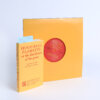
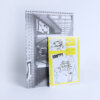





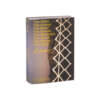

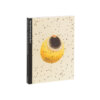
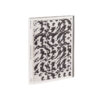
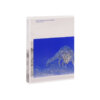

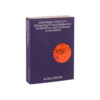
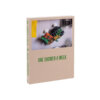
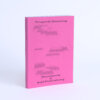
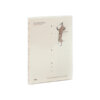

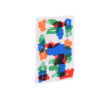
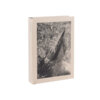

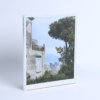

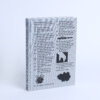

In Isle of Seven Cities, Stéphanie Roland tackles the highly topical question of how to tell truth from untruth. She does so in a playful way, using the curious historical phenomenon of phantom islands. Not only do maps show different geographies over the years as a consequence of ‘discoveries’ or tectonic activity; maps are as much a reflection of a worldview as of the actual world. The reasons why non-existent islands continue to exist on maps are various. Take Podesta, for example, said to lie to the west of Chile – economic interests led the Chilean government to continue arguing for the existence of the island into the nineteen-eighties. The reasons for an ongoing belief in Brasil, supposedly located to the west of Ireland, however, have more to do with the human need for mythology: for hundreds of years, stories circulated about this paradisiacal, mist-shrouded island, which was said to be visible only once every seven years.
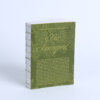
The photographic exploration of this wondrous theme is well supported by a number of choices of materials. The book’s dust jacket is made from re-used plastic fished from the ocean. This soft, plastic flap readily embraces the cover, and stays in place well despite not being glued. In the interior, blue tracing paper is used for the text sections and illustrations of the seven islands discussed, allowing these to be superimposed on the surrounding photographs. The dust jacket and the tracing paper, both of which allow light to pass through, in combination with the well-printed photos with their extremely deep, often dark colours, contribute to a sensation of layering, both in terms of the book’s design and its subject matter. The colour palette in the materials and inks used has been painstakingly put together and lends a pleasant cohesion to this mysterious book.