
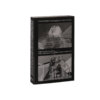














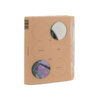
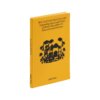
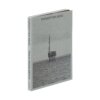

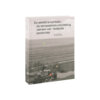







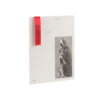













Even more than other books from the selection published by The Eriskay Connection (such as Little Suns on Earth), Passion Play has the feel of a non-fiction book. On the pages between the classic linen hardcover, a story unfolds about the German village of Oberammergau. Since being saved from plague in the seventeenth century, every ten years the village performs a passion play; in the twentieth century, this tradition became embroiled in a German history of anti-Semitism, Nazism, denazification and collective memory. Postcards, newspaper cuttings, eyewitness testimony, correspondence and reports are compiled in such a way that we are sent off down a pathway through the archives; a narrative thread is not provided by the makers until the final essay that closes the book.
Thanks to the exceptionally well-made pull-outs, the potentially least impressive elements of this book really stand out: the correspondence and official reports. The first version of these archival sources we meet is the English translation, but then upon unfolding the page, we see a scan of the original. For German-speakers, this effectively reinforces the sensation of trawling through the archives. The attractive typography serves the material and the form well, and noticeably brings the whole work together.