
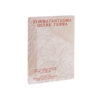
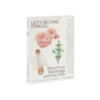



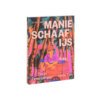
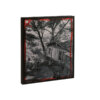

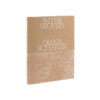
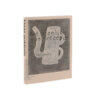
















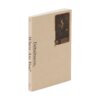







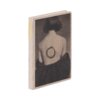

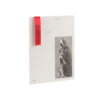
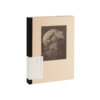


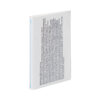







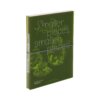



To date, Tonia Stieltjes has been known mainly as a model for the painter Jan Sluijters. This biography reveals a more complete story of this Black Dutch woman – who became popular as a union leader among the largest group of employed women in the Netherlands at the time (domestic servants), and who later played a role within circles of artists and intellectuals in Paris.
This sturdy, thick book concentrates on – you might say – a rather narrow subject, namely just one person. However, the designer here clearly also takes on an editorial role, and is familiar enough with the material that she is able to hold our attention. This is done with radical picture sections and full-page enlargements of the visual art in which Stieltjes features; and with mostly strong typography, which keeps the book nicely under control. Whereas in the body text, captions and notes the typography is strongly composed, with attention to detail, this is less so in the title pages of the chapters.
At first glance, the book appears rather solid and respectable – with its hard cover, silver foil and headband – and this throws up something of a barrier. Once inside, with the book in your hands, however, it becomes clear that the content needs support from this impression of respectability. The design serves to underline the importance of the theme: a polyphonic understanding of history, in which marginalised people are given a voice.