
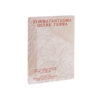
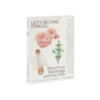
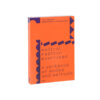
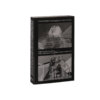
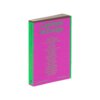

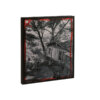
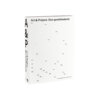
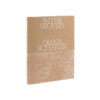

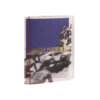


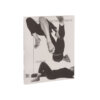

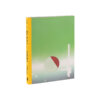
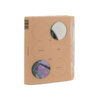
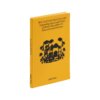
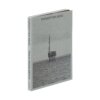
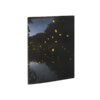
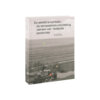

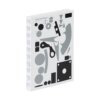

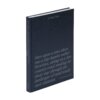

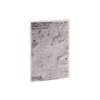

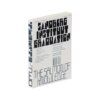

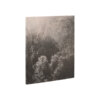
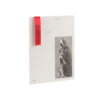
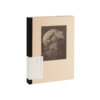
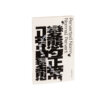
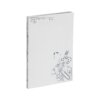
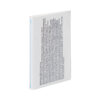

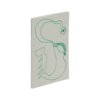
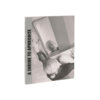
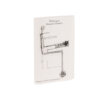



Reuse to Reduce not so much brings together form and content in a book, but more than this, unites material and content. The first part of the book, which deals with the collection of reusable construction materials, is printed on residual paper. This is not the only book submitted that made it to the selection that is printed on residual paper. Printing on residual paper usually involves all copies being printed on the same leftover batch (or batches), but in the case of Reuse to Reduce, each individual book differs in terms of the type of paper used to print it. It’s inspirational to see a designer dare let go of such a fundamental aspect of the design.
Naturally, this also reinforces the specific content of this book: how to most effectively facilitate the best possible re-use of raw materials and products, in such a way as to combat waste? At the same time, the book is a welcome experiment in working with what is available, instead of striving to create the ideal book using the ideal materials. The makers dared embrace these limitations on their freedom of design, in order to achieve a more responsible ecological footprint.
In spite of the different types of paper, in terms of graphic design this book exudes a sense of calm – thanks in part to good picture editing – without becoming dull.